- The Basic Formula
- Breaking It Down by Drink Type
- Open Bar vs. Limited Bar
- Signature Cocktails: A Practical Shortcut
- Non-Alcoholic Options
- Champagne for Toasts: A Separate Line Item
- Ice, Mixers, and the Stuff People Forget
- Staffing the Bar
- Buying vs. Venue Bar Packages
- When in Doubt, Round Up
- Adjusting for Your Specific Guest List
- Keeping Vendor Quotes and Bar Ideas in One Place
- A Simple Way to Sanity-Check Your Final Number
- Working With Your Caterer or Bar Service on the Order
- What to Do With Leftover Alcohol
- Double-Checking Local Alcohol Laws
- FAQ
Trying to figure out a liquor calculator for wedding planning usually starts with a vague guess and a bit of panic about either running out or way overbuying. Here's how to actually estimate it based on guest count, event length, and what your specific crowd tends to drink.
The Basic Formula
A common starting point: plan for 1 to 1.5 drinks per guest per hour. For a 100-guest, 5-hour reception, that's roughly 500 to 750 total drinks across the whole night, though not everyone drinks the same amount, so this is a ceiling more than a precise count. Adjust down slightly if your crowd skews older or the event is earlier in the day, and up slightly for an evening wedding with a younger crowd.
Breaking It Down by Drink Type
Once you have a rough total drink count, split it roughly: 40 to 50 percent wine, 30 to 40 percent beer, and the remainder liquor and cocktails, adjusting based on what you know about your specific guests. A standard 750ml bottle of wine pours about 5 glasses. A case of beer is 24 bottles or cans. A standard 750ml liquor bottle makes about 16 to 17 cocktails, depending on pour size.
Open Bar vs. Limited Bar
An open bar with full liquor selection simplifies the guest experience but is the hardest category to estimate precisely, since guests will order a wider range of drinks. A limited bar, beer, wine, and one or two signature cocktails, is both cheaper and easier to calculate accurately, since you're working with fewer variables.
Signature Cocktails: A Practical Shortcut
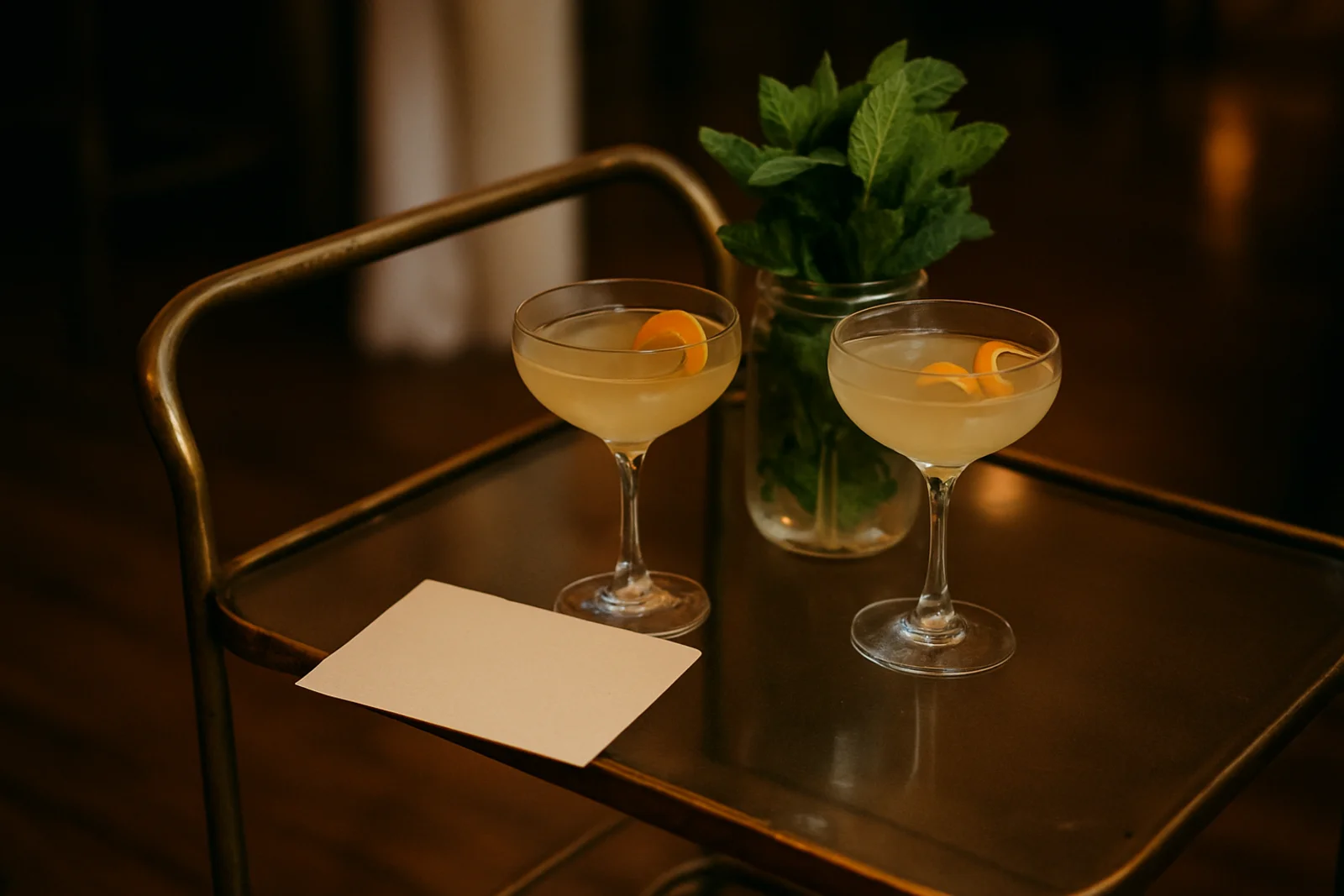
Offering one or two signature cocktails instead of a full bar simplifies your liquor calculator considerably. Pick spirits that cross over well, a vodka-based drink and a whiskey-based drink covers most preferences, and estimate ingredient quantities based on your total guest count rather than trying to stock a full bar's worth of options.
Non-Alcoholic Options
Don't forget this category in the calculation. Plan for roughly the same per-guest quantity as you would a single alcoholic drink type, since a meaningful portion of any guest list won't be drinking alcohol at all, whether by choice, pregnancy, or driving.
Champagne for Toasts: A Separate Line Item
If you're doing a champagne toast, budget for it separately from the general bar, since it's typically consumed in a short, concentrated window rather than spread across the night. A standard bottle pours about 6 champagne flutes, so for a full-room toast, plan on roughly one bottle per 6 guests, plus a bit extra for refills or guests who want a second pour during a longer series of toasts.
Ice, Mixers, and the Stuff People Forget
Alcohol gets most of the attention, but the supporting supplies are just as easy to underestimate. Plan for roughly 1 to 1.5 pounds of ice per guest for a full evening, more in hot weather or if the ice is also chilling bottles rather than just filling glasses. Mixers, soda, juice, garnishes, need their own line item too, especially if signature cocktails call for specific ingredients that aren't otherwise on hand. None of this is expensive individually, but forgetting it means a last-minute grocery run during setup.
Staffing the Bar
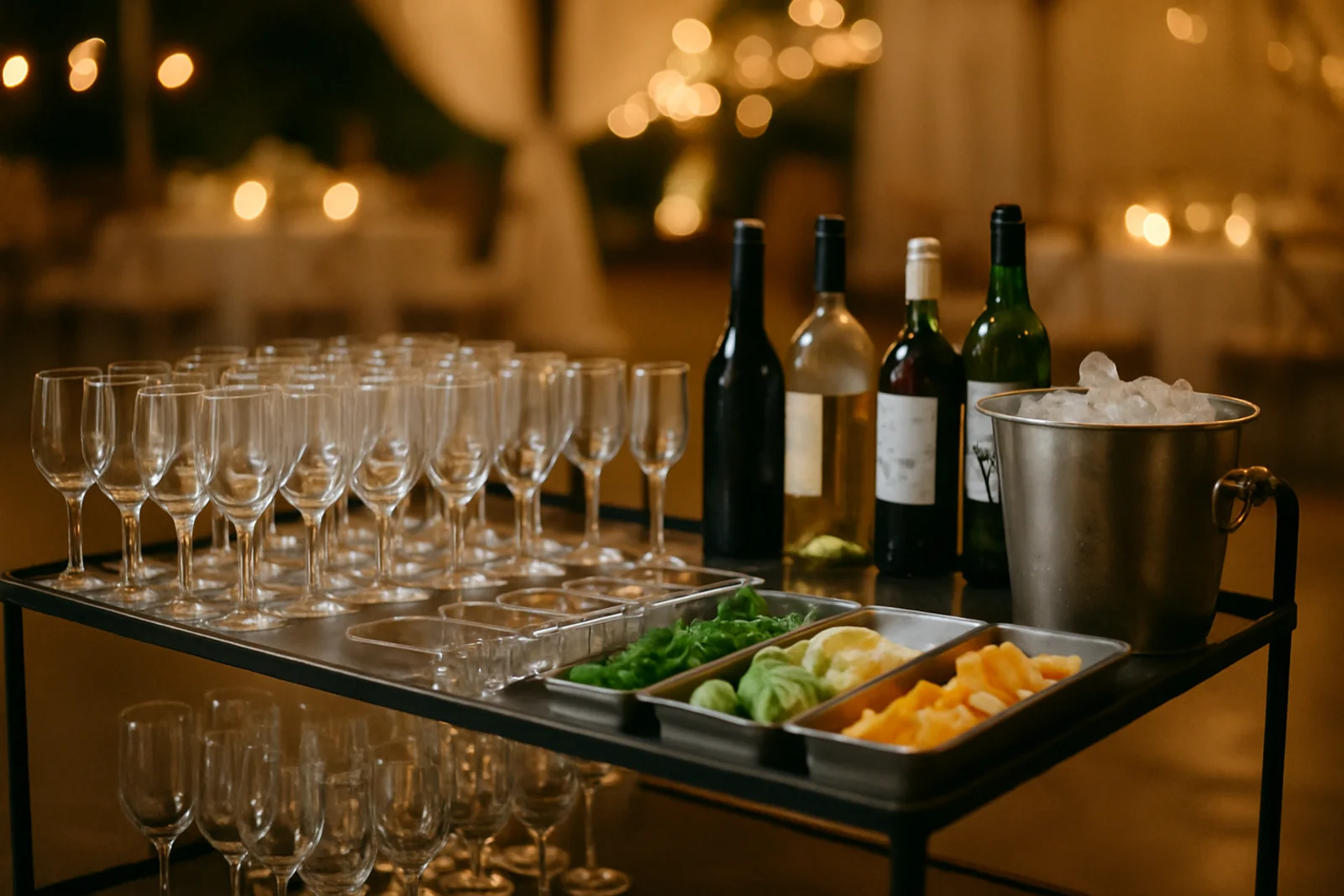
For anything beyond a very small guest list, one bartender per 75 to 100 guests is a reasonable staffing ratio to avoid long lines, especially right after the ceremony when most guests hit the bar at once. If you're using a venue's in-house bar service, ask directly how many bartenders are included for your guest count, since an understaffed bar creates a bottleneck that affects the whole flow of cocktail hour.
Buying vs. Venue Bar Packages
If your venue allows outside alcohol, buying it yourself is often meaningfully cheaper, sometimes by a significant margin, but it shifts the estimating risk onto you. Many liquor stores also accept returns on unopened bottles, which reduces the downside of slightly overbuying. Venue bar packages cost more per guest but remove that estimating burden entirely.
When in Doubt, Round Up
Running short is a worse outcome than having leftovers, both for the experience and for how it reflects on the planning. If your calculation lands between two reasonable numbers, take the higher one, and confirm ahead of time whether your venue or caterer can do an emergency run if you do come up short.
Adjusting for Your Specific Guest List
National averages are a starting point, not a guarantee. A guest list skewing younger, or one with a reputation for celebrating hard, drinks more than the standard formula suggests. A guest list with a lot of older relatives, a heavily religious community, or an afternoon timeline drinks meaningfully less. If you know your crowd well, trust that knowledge over the generic per-person math, and adjust the final order accordingly rather than following the formula rigidly.
Keeping Vendor Quotes and Bar Ideas in One Place
Between comparing liquor store pricing, signature cocktail ideas from Pinterest, and quotes from different bar service vendors, this research adds up fast. WedThread saves links, screenshots, and ideas from anywhere and sorts them automatically, so when you're finalizing the actual order, your research is in one place instead of scattered across browser tabs and old texts.
A Simple Way to Sanity-Check Your Final Number
Before placing the order, run one last gut check: does the total per-guest drink count feel roughly right for how this specific group actually drinks at parties? Formulas are a solid starting point, but they're built on averages, not your actual guest list. If something feels obviously off in either direction, trust that instinct and adjust the final order rather than following the math exactly against your own read of the room.
Working With Your Caterer or Bar Service on the Order
If your caterer or a dedicated bar service is handling the actual purchasing, share your guest list breakdown and any specific preferences you know about, rather than leaving the estimate entirely to a generic formula on their end. Experienced bar services have their own data from past events, but couples who share specifics about their crowd, an unusually big drinking group, several non-drinkers, tend to get a more accurate final order than a purely generic calculation.
What to Do With Leftover Alcohol
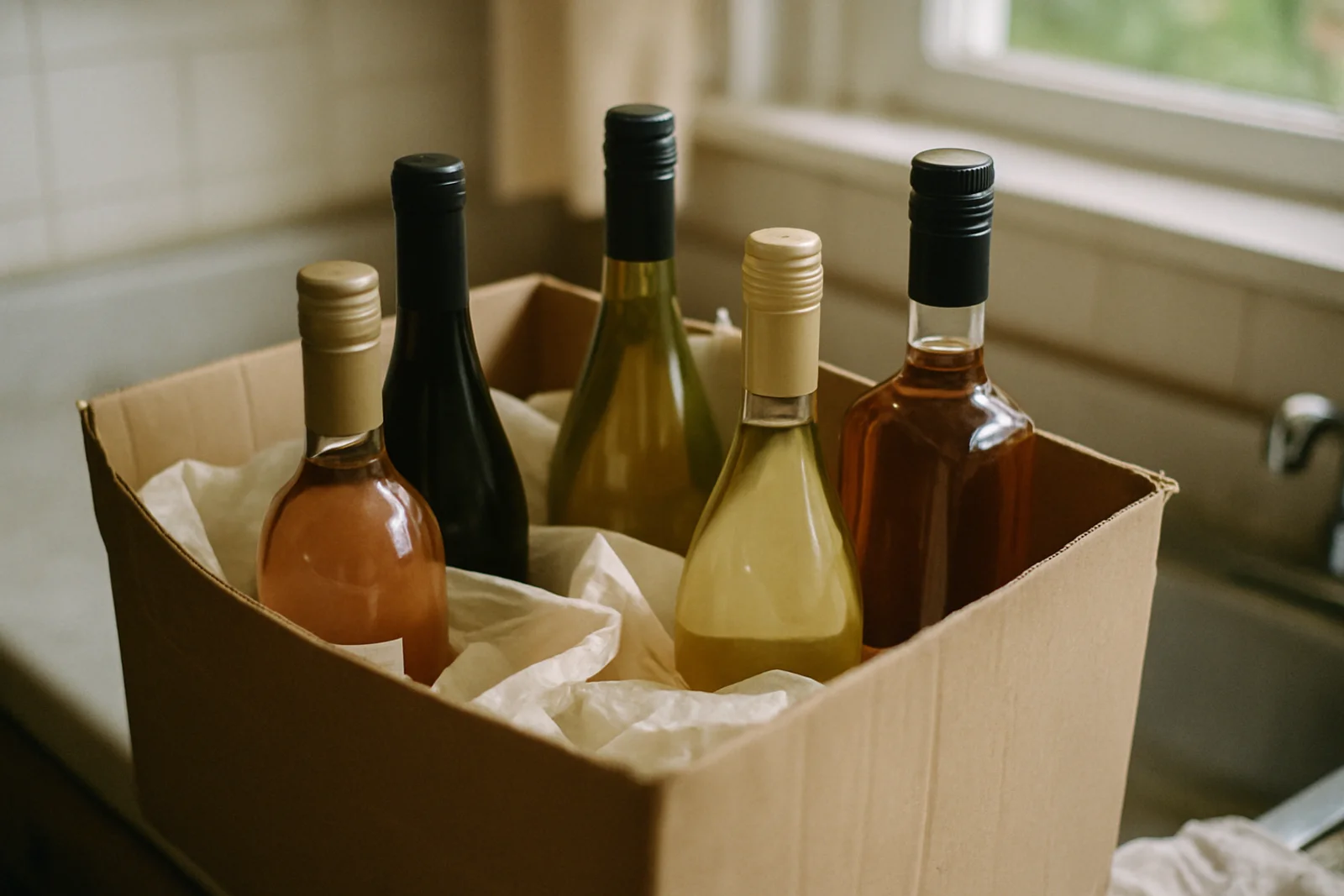
If you're buying alcohol yourself and end up with unopened bottles left over, most liquor stores that allow returns will take back sealed, unopened items, worth confirming this policy before the wedding so you know your options. For anything opened but usable, gifting it to close friends or family who helped with planning is a common, appreciated way to use up leftovers rather than letting them go to waste.
Double-Checking Local Alcohol Laws
Rules around serving alcohol, bringing in outside alcohol, and required permits vary by state and sometimes by venue, so confirm what's actually allowed at your specific location well before finalizing an order. Some venues require a licensed bartender to serve, even self-purchased alcohol, which affects both your budget and your planning timeline if you haven't already accounted for it.
As a rough guide for a 5-hour reception: about 150 to 175 drinks total, roughly 1.5 drinks per guest per hour on average. That typically breaks down to around 40 to 50 bottles of wine, 5 to 7 cases of beer, and 3 to 4 bottles of liquor per common cocktail, adjusted for your crowd's actual habits.
A common estimate is 1 to 1.5 drinks per person per hour, though this varies a lot based on your specific guests, whether it's an open bar, and the time of day. Afternoon weddings generally see lower consumption than evening ones.
Open bar tends to simplify planning but costs more. Limited bar, beer, wine, and a signature cocktail or two instead of a full liquor selection, cuts cost and simplifies the calculation without feeling restrictive to most guests.
A standard bottle pours about 5 glasses. For a crowd that's mostly drinking wine, estimate half a bottle per guest for a full evening, more if wine is the primary option rather than one of several.
Buying it yourself is often cheaper if your venue allows outside alcohol, sometimes significantly so, but it also means you're responsible for correctly estimating quantities and dealing with leftovers or shortages. Venue bar packages cost more but remove that risk.
Always round up rather than down when estimating, and confirm your venue or caterer's policy on last-minute runs if you do come up short. It happens more often when couples underestimate rather than overestimate, so err generous.