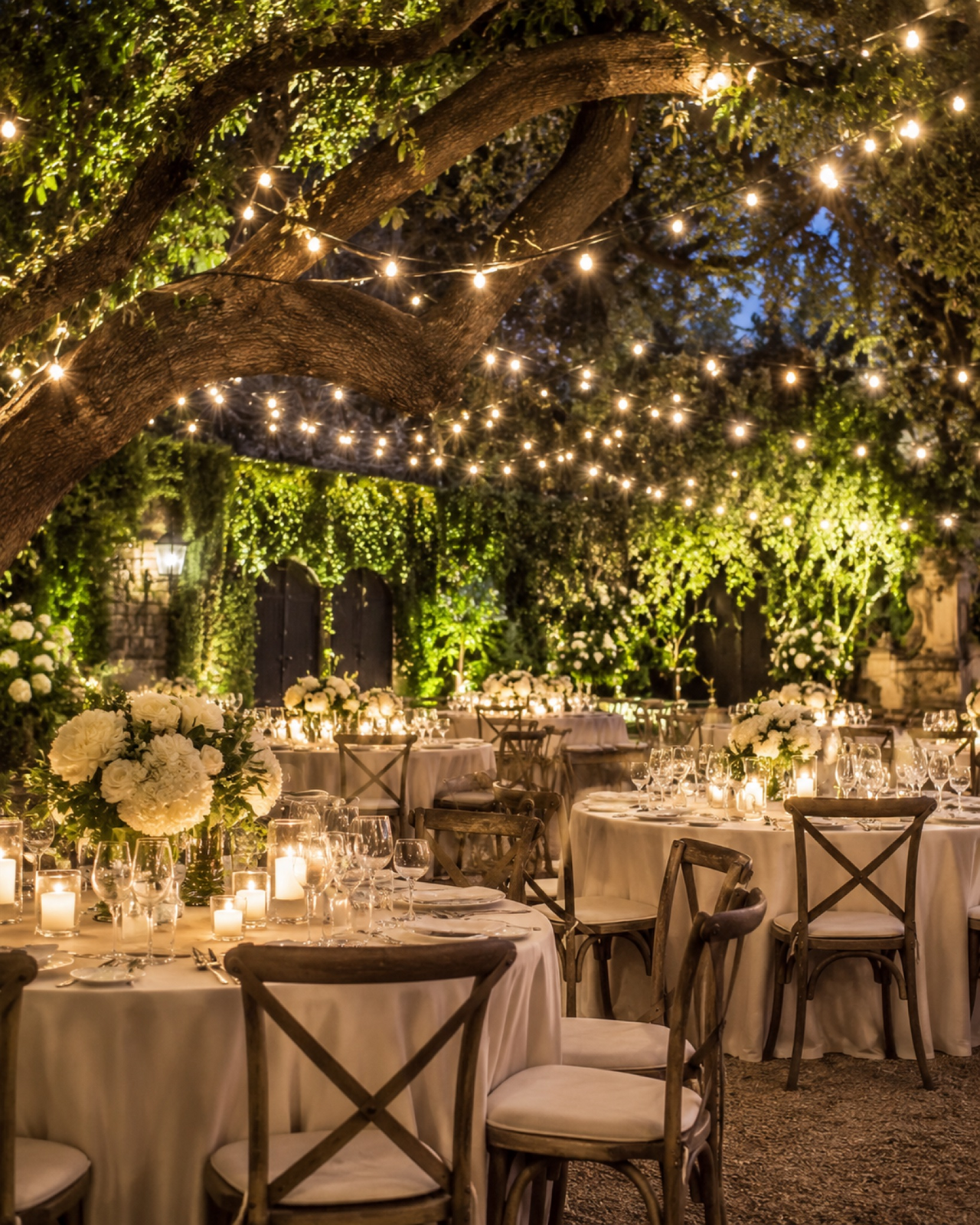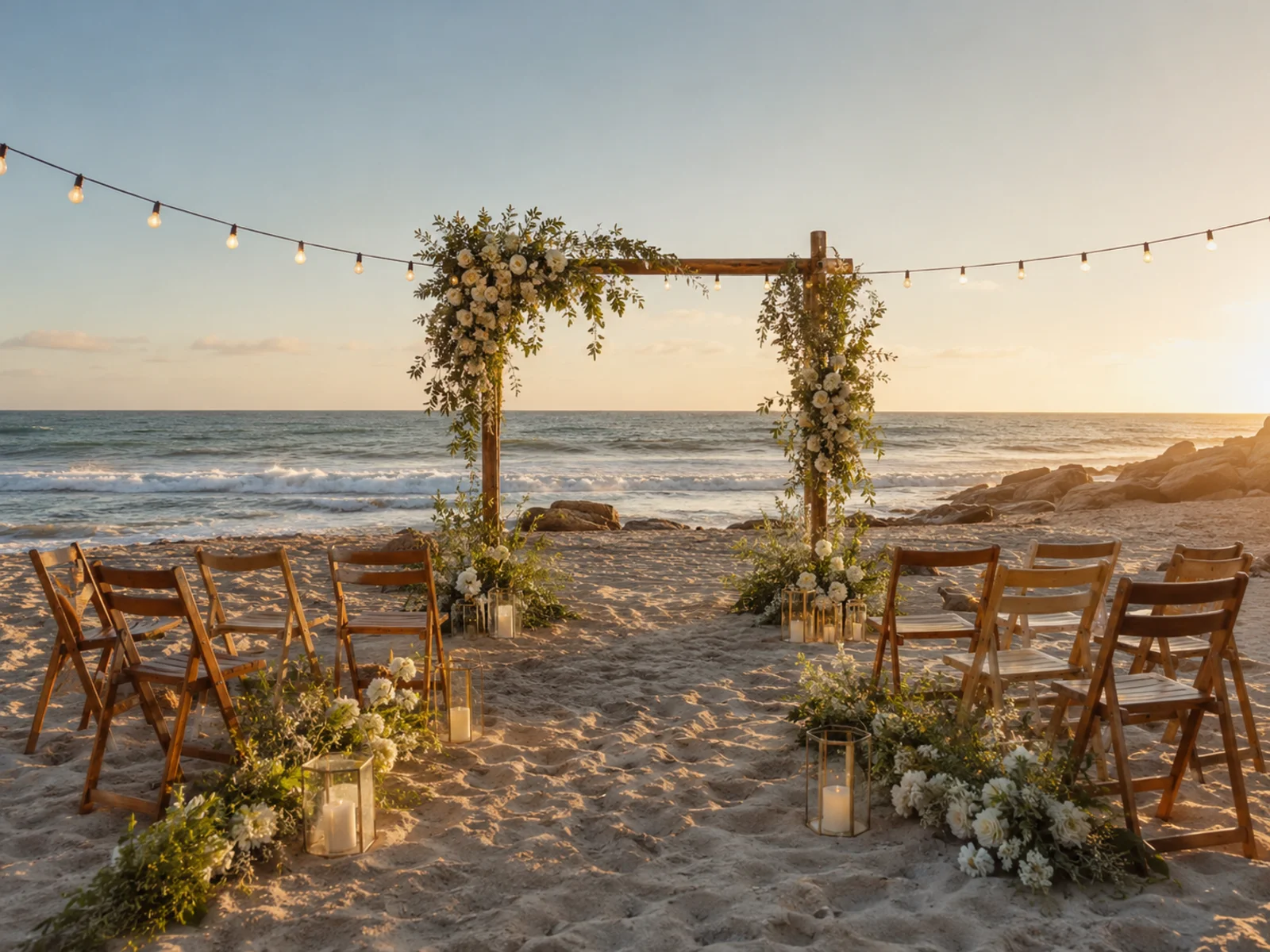
- Why Small and Destination Pair Well
- Nearby Weekend-Trip Destinations
- Domestic Destinations With More Character
- International Options for a Bigger Budget
- All-Inclusive Resort Weddings
- Working With a Local Planner
- Setting Realistic Guest Expectations
- Budgeting for the Couple's Own Travel and Stay
- Legal Requirements for Destination Marriages
- Timing the Trip Around the Wedding
- Keeping Decor and Vendor Choices Simple
- Comparing Multiple Destination Options
- Making the Final Decision
- Visiting Before You Book, If Possible
- Building in Extra Time for International Logistics
- Considering Travel Insurance
- FAQ
A small destination wedding pairs two things that work well together, an intentionally smaller guest list and a meaningful location, without the massive planning lift of a large-scale destination event. Here's how to think through the options across different budgets.
Why Small and Destination Pair Well
Destination weddings naturally limit guest count, since travel is a genuine barrier for many invitees, which makes them a natural fit for couples already leaning toward a smaller, more intimate wedding. Rather than fighting this natural filtering effect, small destination weddings work with it, building a guest list around people genuinely willing and able to travel.
Nearby Weekend-Trip Destinations
For a lower-budget, lower-logistics option, a destination within a few hours' drive or a short flight, a scenic small town, a lake house region, a coastal town, gives a genuine change of scenery without the cost and complexity of international travel. This category is often the most accessible entry point into destination wedding planning.
Domestic Destinations With More Character
Slightly further afield, destinations known for a specific aesthetic or activity, wine country, mountain towns, historic small cities, offer more of a true "destination" feel while still keeping travel logistics manageable for most domestic guests. These locations often have wedding-specific infrastructure already in place, since they're popular for weddings generally.
International Options for a Bigger Budget
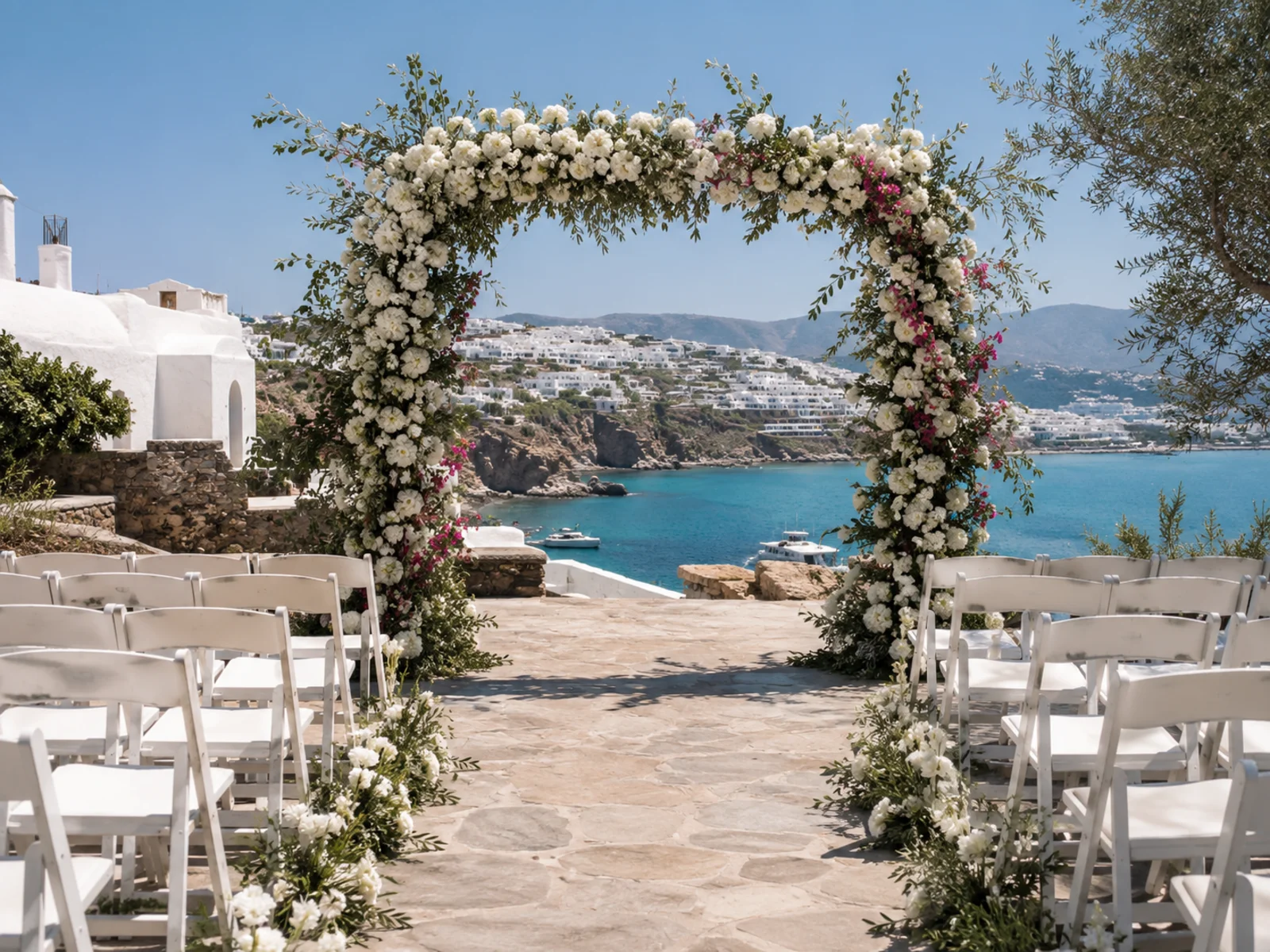
For couples with a larger destination budget, international locations, coastal Mexico, parts of Europe, Caribbean islands, open up dramatically different scenery and experiences, though they come with real added complexity, legal marriage requirements, currency logistics, and longer lead times for guest travel planning.
All-Inclusive Resort Weddings
Many resorts specifically package small destination weddings, often bundling venue, catering, and basic decor into one coordinated offering. This significantly simplifies planning for a small guest list, since a lot of logistics that would otherwise require separate vendor coordination come pre-arranged through the resort's own wedding team.
Working With a Local Planner
For any destination beyond a short domestic drive, a local planner with existing vendor relationships is worth the investment, even for a small wedding. Trying to coordinate an unfamiliar location's vendors entirely remotely adds real risk and stress that a planner familiar with the area can significantly reduce.
Setting Realistic Guest Expectations
Plan for a meaningfully lower RSVP rate than a local wedding would get, travel cost and time off work are real barriers even for close family and friends. Being upfront with invited guests as early as possible, ideally through an early save the date, gives people the best chance to plan around the trip if they want to attend.
Budgeting for the Couple's Own Travel and Stay
Beyond the wedding itself, factor in the couple's own travel, accommodation, and any extended stay time, honeymoon or otherwise, into the overall destination wedding budget. It's easy to budget carefully for the event itself and underestimate what the couple's own trip costs on top of it.
Legal Requirements for Destination Marriages
Marriage license and legal requirements vary significantly by destination, particularly international ones, and some require residency periods, specific documentation, or advance filing that needs to happen well before the wedding date. Research this early, since it's one of the few destination wedding details with real, immovable deadlines attached.
Timing the Trip Around the Wedding
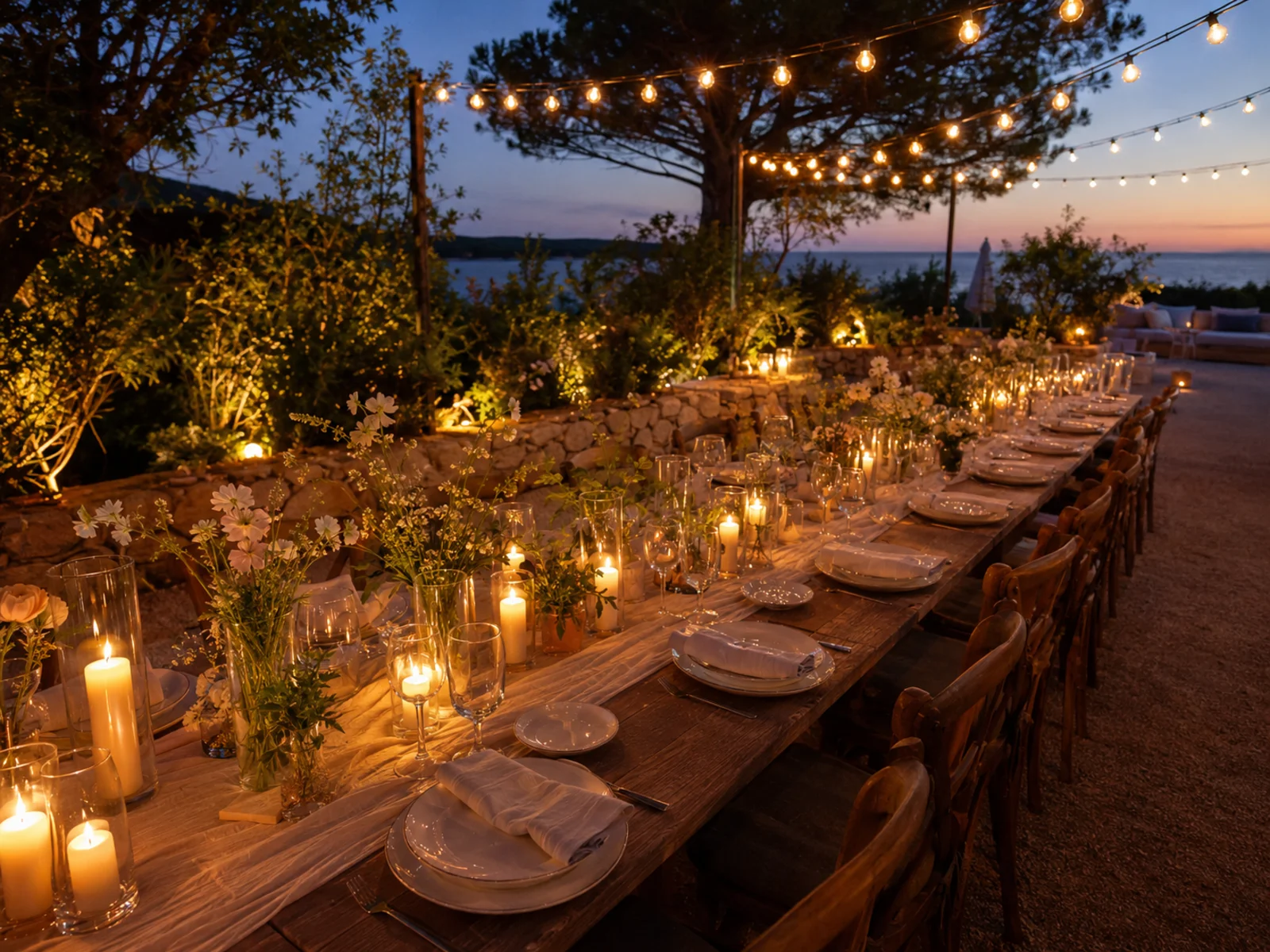
Many small destination weddings extend into a multi-day trip for guests, not just a single event day, welcome dinners, group activities, a post-wedding brunch. This is part of what makes destination weddings feel different from local ones, the wedding becomes part of a broader shared trip rather than a single evening.
Keeping Decor and Vendor Choices Simple
A destination location, especially a scenic one, often needs less elaborate decor than a local wedding would, since the setting itself does a lot of the visual work. Leaning into this, rather than trying to recreate an elaborate local-style setup at a destination, both saves money and fits the more relaxed tone destination weddings typically carry.
Comparing Multiple Destination Options
If you're deciding between a few possible destinations, keeping venue links, vendor contacts, and logistics notes organized by location as you research makes comparing them far easier than juggling scattered browser tabs and screenshots. WedThread's category system works well here, letting you keep each potential destination's research cleanly separated until you're ready to decide.
Making the Final Decision
Whatever destination you land on, weigh guest accessibility, your own budget comfort, and how much of the planning burden falls on a local vendor team versus yourselves. The right small destination wedding is less about finding the most photogenic location and more about finding one that genuinely fits your guest list, budget, and planning bandwidth.
Visiting Before You Book, If Possible
If the budget and timeline allow, an in-person visit to a shortlisted destination before booking gives a much clearer sense of the actual venue, light, and logistics than photos alone can convey. Not every couple can manage this, especially for international destinations, but even a video call walkthrough with a local planner or venue coordinator can catch details that wouldn't be obvious from listing photos.
Building in Extra Time for International Logistics

For international destinations specifically, build extra buffer time into every stage of planning, document processing, vendor confirmations, and guest travel arrangements all tend to take longer across borders than domestic planning does. Starting research and key bookings earlier than feels necessary is consistently better advice than couples expect going in.
Considering Travel Insurance
For any destination wedding involving significant deposits and non-refundable bookings, travel insurance covering the event itself, not just personal travel, is worth researching. Weather, vendor cancellations, and travel disruptions are all real risks that a modest insurance cost can meaningfully offset.
Not automatically, travel and accommodation costs for the couple and often key vendors add up, but a smaller guest list at a destination wedding usually offsets this compared to a large local wedding.
At least 9 to 12 months, more for international locations, since guests need real lead time for travel planning and some venues require longer booking windows for destination bookings specifically.
Strongly recommended, even for a small one. A planner with local knowledge navigates vendor relationships, permits, and logistics far more efficiently than coordinating everything remotely yourself.
Most small destination weddings run 20 to 50 guests, since travel naturally limits attendance to the people most willing and able to make the trip.
Yes, plan for meaningfully lower RSVP rates than a local wedding, since travel cost and time off work are real barriers for many invited guests, even close ones.
Save venue links, vendor contacts, and travel logistics by location as you research, so comparing options later is straightforward. WedThread's category system works well for this, keeping each potential destination's research separate and organized.