- Sample Timeline: 5pm Ceremony
- How to Shift This for a Different Ceremony Time
- Where This Timeline Usually Needs More Room
- Sample Timeline: 11am Ceremony
- What to Adjust Based on Your Ceremony Length
- Building In the Walk Between Events
- Sample Timeline: Reception-Only Evening Wedding
- Who Actually Needs a Copy
- Sample Timeline: Outdoor or Destination Wedding
- Adjusting for a Larger or Smaller Wedding Party
- A Quick Editing Checklist Before You Finalize It
- Turning This Sample Into a Document Everyone Can Follow
- Sharing the Edited Version With Vendors
- Keeping a Backup Copy
- Making It Yours
- FAQ
Typing "sample wedding timeline" into search usually means you want something concrete to copy, not another article explaining why timelines matter. Here's an actual sample you can adjust to your ceremony time, plus notes on where it tends to need more room than people expect.
Sample Timeline: 5pm Ceremony
This version works backward from a 5pm ceremony, a common slot for couples who want natural light for photos before an evening reception.
10:00am, hair and makeup begins.
1:00pm, getting dressed.
1:30pm, first look and couple's portraits, if doing one.
3:00pm, wedding party and family photos.
4:15pm, guests arrive, wedding party lines up.
5:00pm, ceremony.
5:30pm, cocktail hour begins.
6:30pm, reception entrance.
7:00pm, dinner service.
8:00pm, toasts.
8:30pm, first dance and parent dances.
9:00pm, open dancing.
11:00pm, last dance.
How to Shift This for a Different Ceremony Time
The shape stays the same regardless of when your ceremony actually starts, only the clock times shift. For a 2pm ceremony, move everything three hours earlier: hair and makeup around 7am, ceremony at 2pm, dinner around 5pm, wrapping by 8pm. For a later, evening-only wedding with no ceremony until 6 or 7pm, compress the getting-ready window since you have more daylight hours before you need to be dressed.
Where This Timeline Usually Needs More Room
Two spots consistently run longer than the sample suggests. Hair and makeup for a full wedding party regularly runs past its scheduled window, especially with five or more people getting styled. And family formal photos take longer than anyone expects once you're wrangling multiple family groups into position. If you're building your own version from this sample, pad both of these more than feels necessary.
Sample Timeline: 11am Ceremony
For couples doing a morning ceremony followed by a daytime reception, the whole shape compresses earlier and often wraps by early evening instead of running past midnight. A rough version: hair and makeup at 6am, dressed by 9:30am, ceremony at 11am, lunch reception starting around noon, and wrapped by 4 or 5pm. This layout works well for brunch-style weddings or venues with earlier noise curfews, and it means less pressure on the getting-ready window since natural light isn't as time-sensitive as it is for a golden-hour evening ceremony.
What to Adjust Based on Your Ceremony Length
The sample assumes a standard 20 to 30 minute ceremony. Religious ceremonies with additional readings or rituals often run 45 minutes to an hour, which pushes cocktail hour and everything after it later. Confirm your actual ceremony length with your officiant before finalizing the rest of the day around it.
Building In the Walk Between Events
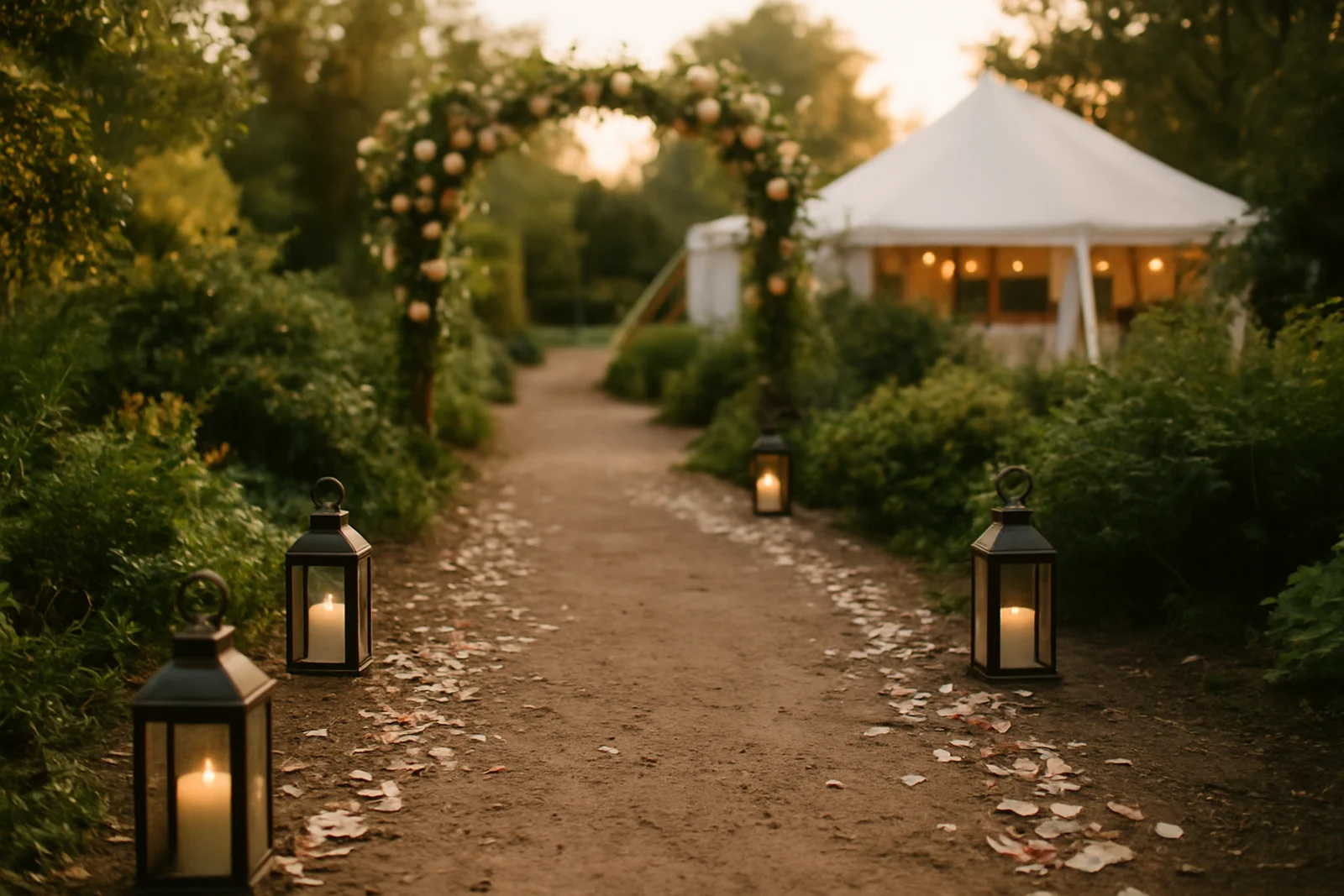
The sample includes a 30-minute gap between ceremony end and cocktail hour start. That's not padding for no reason, it accounts for guests congratulating the couple, photos wrapping up, and everyone physically moving to wherever cocktail hour is happening. Cutting this gap too tight is a common reason receptions start feeling rushed from the very first hour.
Sample Timeline: Reception-Only Evening Wedding
If the ceremony is happening separately, a courthouse ceremony earlier in the week, an elopement, a private family-only ceremony, and the wedding day itself is really an evening reception, the timeline shape changes again. A common version: hair and makeup starting mid-afternoon, photos around 4pm, guests arriving by 6pm, and a reception running straight through from arrival to last dance around 11pm or midnight, without the ceremony block eating into the middle of the day. This format tends to have more flexibility, since there's no fixed ceremony start time forcing everything else around it.
Who Actually Needs a Copy
Once your version of this timeline is finalized, it needs to actually reach the people responsible for keeping the day on schedule: your photographer, your planner or day-of coordinator, the venue, and your wedding party. A timeline that only exists in your head, or in a text thread from two months ago, doesn't help anyone on the actual day. Saving the final version in WedThread, alongside vendor contacts and other day-of details, and sharing it as a link means you're not the one fielding schedule questions an hour before the ceremony.
Sample Timeline: Outdoor or Destination Wedding
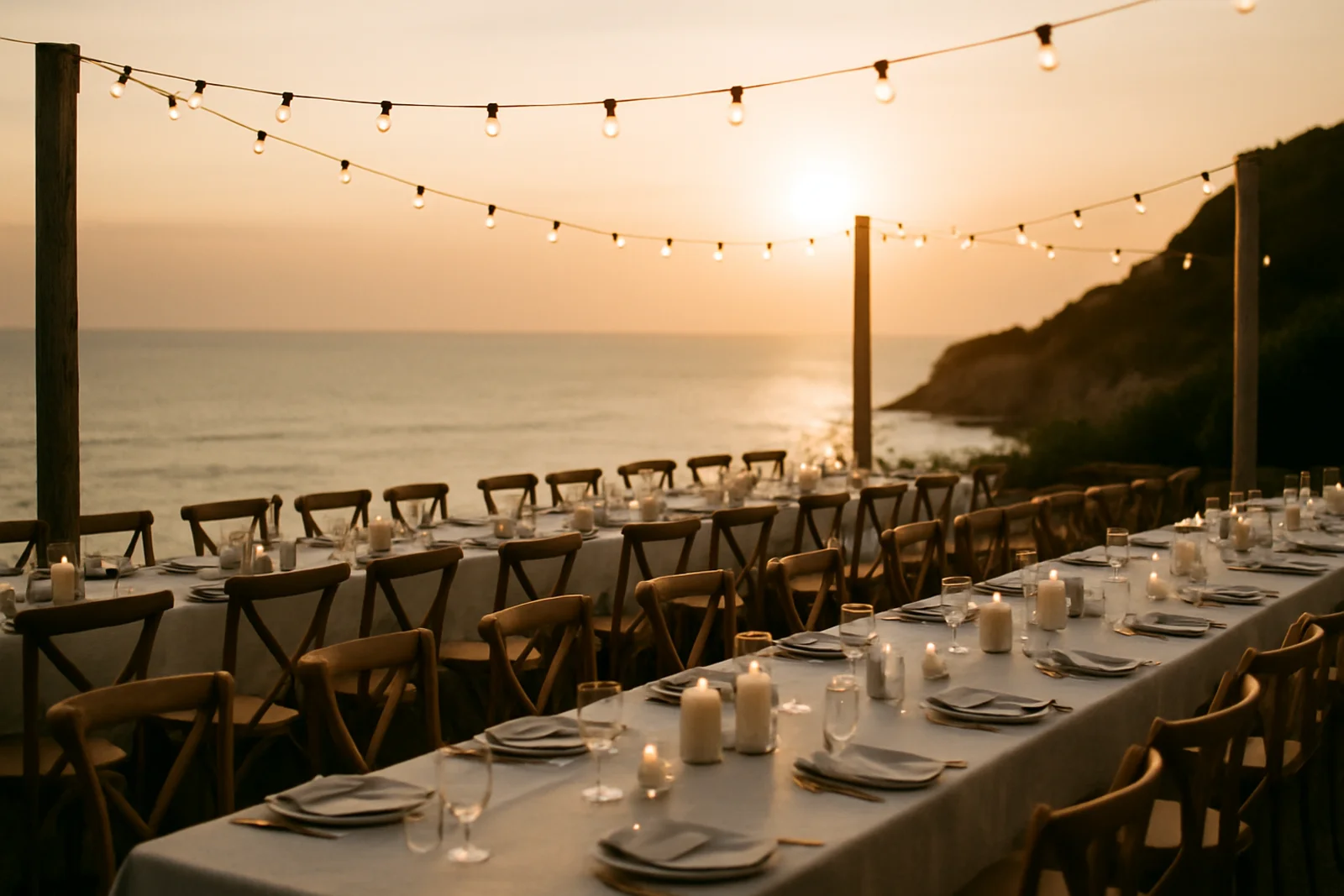
Outdoor and destination weddings often need extra buffer built in that a standard venue timeline doesn't account for. Add 15 to 30 minutes of flex around any outdoor portion for weather-related adjustments, and build in more transition time if the ceremony and reception are in physically separate locations, guests walking or shuttling between a beach ceremony and an inland reception space, for example, takes longer than moving between rooms in the same building. If sunset photos are part of the plan, check the actual sunset time for your date and location well ahead of time rather than guessing, since it shifts throughout the year and directly affects when photos need to happen.
Adjusting for a Larger or Smaller Wedding Party
Party size changes more of the timeline than people expect. A wedding party of four moves through getting ready and photos noticeably faster than a wedding party of twelve. If your bridal party or groomsmen count is on the larger side, add extra time to both hair and makeup and the wedding party photo block specifically, since those two spots scale most directly with headcount. A smaller, more intimate wedding party can usually trim 30 to 45 minutes off the sample above without feeling rushed.
A Quick Editing Checklist Before You Finalize It
Before locking this in, confirm your actual ceremony start time and length with your officiant, check your venue's hard end time for the night, and add 10 to 15 minutes of buffer anywhere two events are scheduled back to back. Small adjustments here save a lot of stress on the actual day.
Turning This Sample Into a Document Everyone Can Follow
Once you've adjusted the sample to your actual times, format it as its own standalone document rather than leaving it inside a longer planning email or notes app. A simple version works fine: time on the left, event on the right, one page. Print physical copies for anyone who won't have a phone handy, your officiant, parents, the venue coordinator, and keep a digital version saved somewhere the wedding party and vendors can pull up if plans shift slightly on the day itself.
Sharing the Edited Version With Vendors

Once you've customized this sample to your actual day, send the final version to every vendor individually rather than assuming they'll see it secondhand through the venue or planner. A photographer working from an outdated timeline is a common, avoidable source of missed shots and awkward gaps during the day.
Keeping a Backup Copy
Save a digital copy of your finalized timeline somewhere accessible beyond a single device, since phones get lost, batteries die, and a coordinator's own copy is the real safety net if the couple's version isn't reachable for any reason on the actual day.
Making It Yours
Use this sample as a true starting point, not a rigid template. Your own timeline should reflect your actual ceremony, your actual venue, and the pace that fits your specific day.
Start with a version built backward from your ceremony time, since that's the one fixed point in the day. Hair and makeup, photos, and getting dressed all get scheduled around it, not the other way around.
Shift every block earlier or later based on your actual ceremony time, keeping the same order and roughly the same gaps between events. A 2pm ceremony and a 6pm ceremony follow the same shape, just at different hours.
Yes, and more than feels necessary. Hair and makeup, photos, and the walk from ceremony to cocktail hour all tend to run longer than planned. Padding those specific spots avoids the whole day sliding late.
Detailed enough that your photographer, planner, and wedding party can each glance at it and know what's happening without asking you. That usually means specific times, not vague blocks like 'afternoon' or 'evening.'
Your photographer, planner or day-of coordinator, venue coordinator, and wedding party at minimum. Anyone responsible for making something happen on time needs their own copy, not a verbal summary.
Underestimating photo time. Family formals especially take longer than expected once you're coordinating multiple family groups. Build in more time here than your gut says.