- What Actually Counts as a Micro Wedding
- Building the Guest List First
- Having the Hard Conversations Early
- Choosing a Venue That Fits the Scale
- Where the Budget Actually Goes
- Designing a More Personal Ceremony
- Reception Format Options
- Photography and Documentation
- Handling Extended Family Expectations
- Do You Still Need a Planner?
- Registry and Gift Expectations
- Combining Micro Wedding With a Honeymoon or Destination Element
- Keeping Vendor Research Organized at Any Scale
- Making It Feel Intentional, Not Scaled-Down
- Addressing Comments From People Who Don't Understand the Choice
- Micro Weddings and Multi-Event Celebrations
- FAQ
Micro weddings have moved well past being a pandemic-era compromise, they're now a genuine, deliberate choice for couples who want a more intimate day without the scale of a traditional guest list. Here's how to plan one well.
What Actually Counts as a Micro Wedding
There's no official cutoff, but micro weddings generally fall under 50 guests, with some couples using the term for anything under 30. The exact number matters less than the intent, choosing a smaller circle deliberately rather than trimming a larger guest list down reluctantly due to budget or venue constraints.
Building the Guest List First
Unlike a traditional wedding where the venue often shapes the guest list, a micro wedding usually starts with deciding who absolutely has to be there, immediate family and closest friends, and building outward only if the target number allows. This reversed order, guest list before venue, is one of the more useful mental shifts for planning a genuinely intentional smaller wedding.
Having the Hard Conversations Early
Not everyone who'd typically expect an invitation will make a smaller guest list, and that's the trickiest part of micro wedding planning. Telling close family members or friends who aren't included directly and early, rather than letting them find out secondhand, is one of the more important things to get right, even though it's an uncomfortable conversation to have.
Choosing a Venue That Fits the Scale
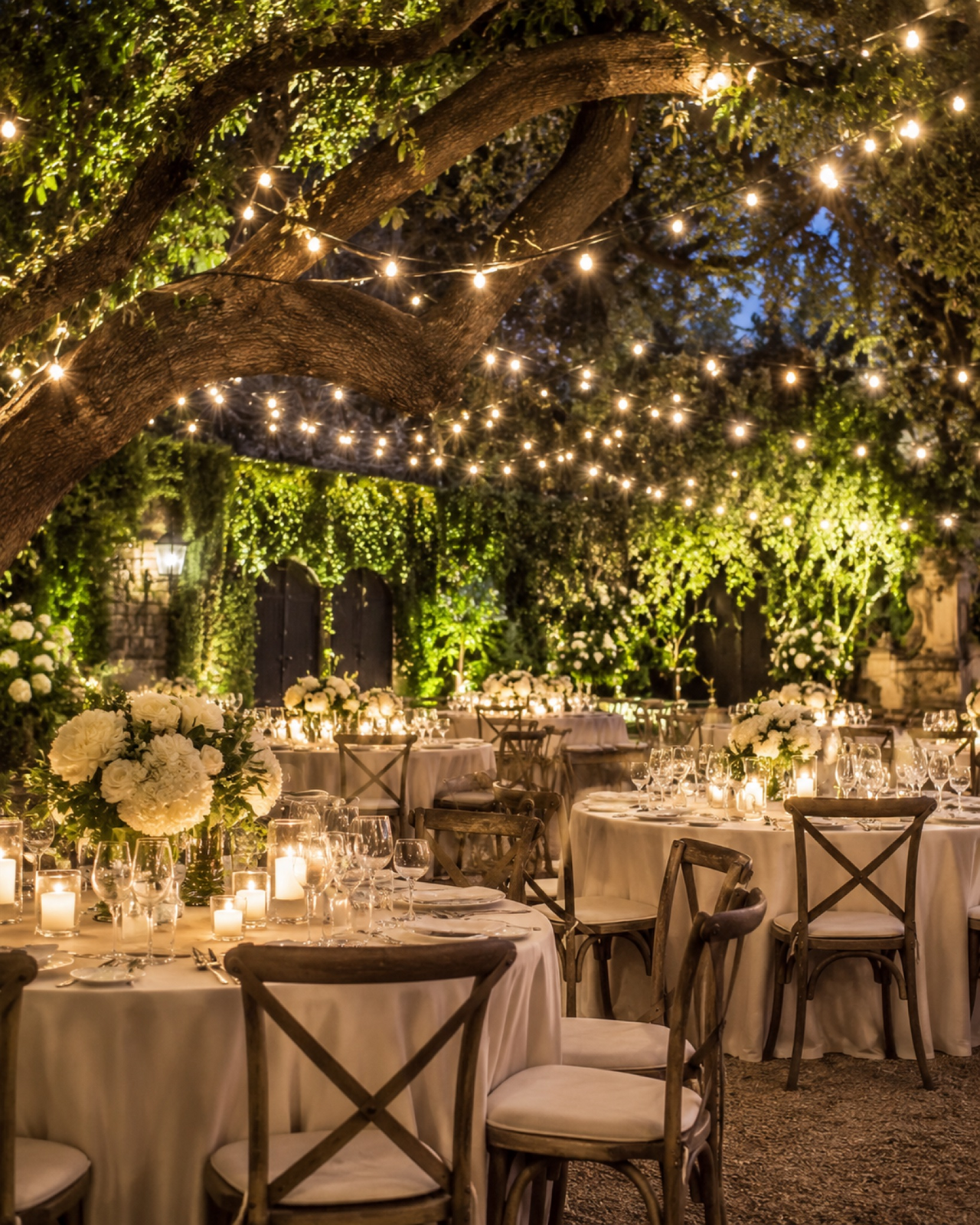
A smaller guest list opens up venue options that wouldn't work for a larger wedding, a favorite restaurant's private room, a backyard, a small boutique venue that couldn't accommodate 150 guests but is perfect for 30. This is one of the genuine advantages of a micro wedding, access to spaces with more character than a standard event hall.
Where the Budget Actually Goes
With fewer guests, the same total budget stretches further per person, which means many micro wedding couples redirect savings into higher-end food, a nicer venue, or better photography rather than simply spending less overall. Deciding upfront whether your goal is maximum savings or a higher-quality smaller experience shapes a lot of the downstream decisions.
Designing a More Personal Ceremony
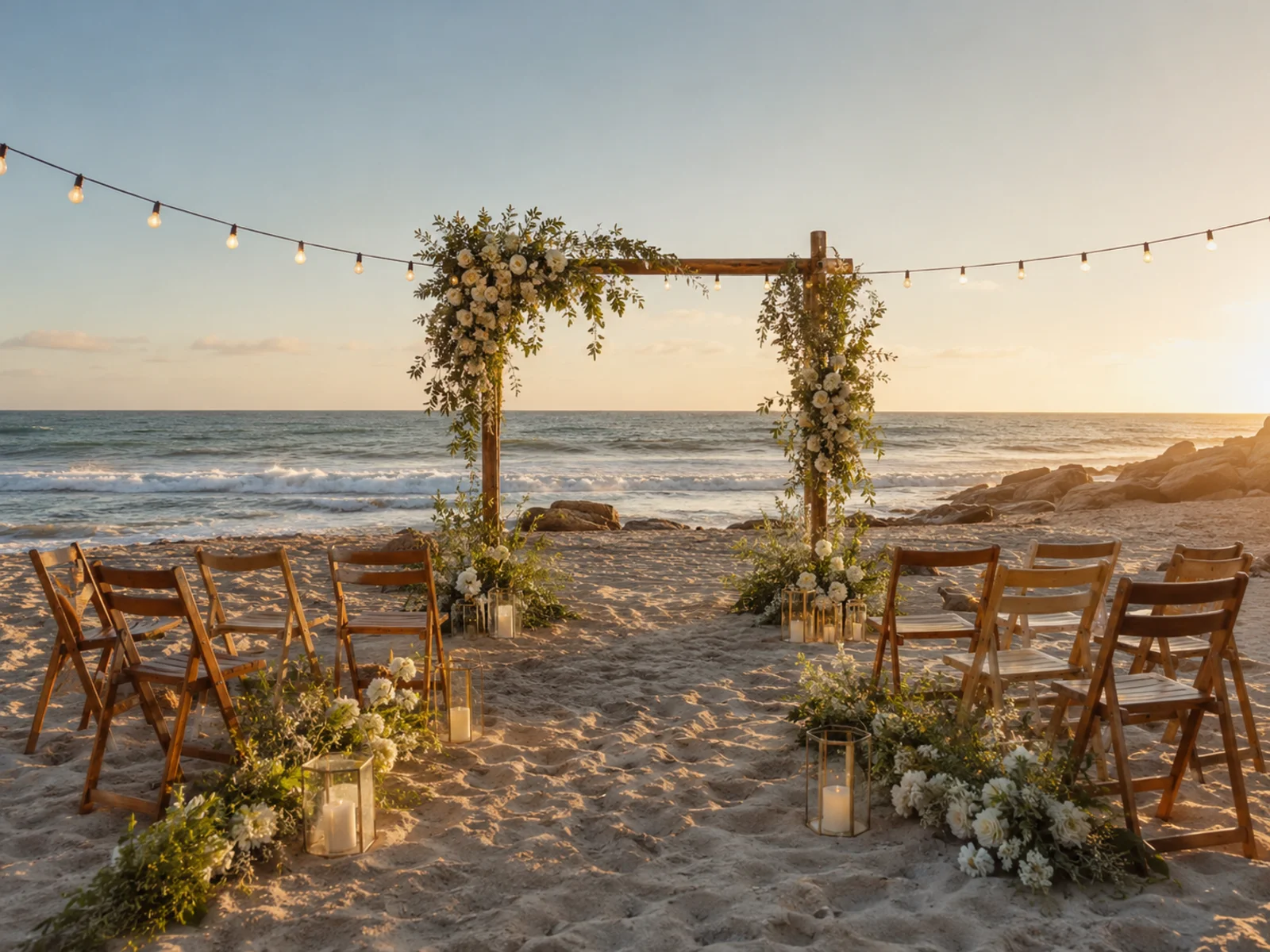
A smaller guest count allows for ceremony elements that don't scale well to larger weddings, guests seated in a close circle rather than rows, personal readings from nearly everyone present, a more conversational tone throughout. This intimacy is one of the most consistently cited reasons couples choose a micro wedding over a traditional one.
Reception Format Options
Micro weddings open up reception formats that would be impractical for larger guest counts, a single long communal table instead of multiple round tables, a home-cooked meal instead of full catering, or an activity-based reception, a hike, a dinner at a favorite restaurant, rather than a traditional dance floor format.
Photography and Documentation
With fewer guests to photograph, photography at a micro wedding often captures a different, more candid quality than a larger event, genuine reactions and interactions rather than posed group shots with dozens of guests. Many couples find they actually get more meaningful, personal photos from a micro wedding than they would have from a larger one.
Handling Extended Family Expectations
If a smaller guest list excludes extended family who'd traditionally expect to attend, some couples plan a second, larger celebration, a reception, an anniversary party, a few months later specifically for the wider circle. This isn't required, but it's a genuinely effective way to honor a smaller, more intimate wedding day while still including everyone eventually.
Do You Still Need a Planner?
A micro wedding is inherently less complex to coordinate than a larger one, so full-service planning is less commonly necessary. A day-of coordinator is still worth considering though, so the couple isn't personally managing setup, vendor arrivals, and timing on their own wedding day, even at a smaller scale.
Registry and Gift Expectations
With a smaller, closer guest list, some couples find gift-giving expectations shift too, closer friends and family may want to give more meaningful, personalized gifts rather than standard registry items. It's worth being open to this rather than assuming a traditional registry is the only appropriate format for a micro wedding.
Combining Micro Wedding With a Honeymoon or Destination Element
Because a micro wedding's smaller guest count is often easier logistically, many couples combine it with a destination location or extend it into an immediate honeymoon at the same location, something far harder to coordinate with a full traditional guest list.
Keeping Vendor Research Organized at Any Scale
Even with fewer vendors to manage than a traditional wedding, keeping research organized still matters, comparing a handful of intimate venues or a smaller florist's past work is easier when everything's saved and sorted in one place, like WedThread, rather than scattered across a few scattered screenshots for a "smaller, simpler" wedding that still deserves real planning.
Making It Feel Intentional, Not Scaled-Down
The most successful micro weddings don't feel like a smaller version of a traditional wedding, they feel like a different, deliberately chosen format entirely. Leaning into what a smaller guest list makes possible, intimacy, personalization, unconventional venues, rather than treating it as a compromise, is what makes the day feel complete rather than reduced.
Addressing Comments From People Who Don't Understand the Choice
Some family members or friends may not immediately understand the appeal of a micro wedding, especially if it's a departure from what's typical in your family or community. Having a simple, confident explanation ready, "we wanted something more intimate," is usually enough, and it's worth not over-explaining or apologizing for a choice that's entirely valid.
Micro Weddings and Multi-Event Celebrations
Some couples pair a micro wedding ceremony with a slightly larger, separate celebration event, a party without the formal ceremony, timed either the same day or weeks later. This structure lets the ceremony itself stay small and personal while still giving a wider circle a way to celebrate, without either event needing to compromise on its own scale or format.
Generally 50 guests or fewer, though the term is used loosely, some couples consider anything under 30 a micro wedding while others use it for anything meaningfully smaller than a traditional guest list for their circle.
Usually, since catering, rentals, and often venue costs scale with guest count. It's not automatic though, some couples spend the savings from a smaller guest list on a higher-end venue or experience per guest.
Most couples start with immediate family and closest friends, then work outward only if the count allows. Being upfront with people who aren't included, ideally before they hear about the wedding secondhand, prevents hurt feelings.
Yes, and often more so. A smaller guest list frequently allows for a more personal ceremony, better food and venue quality per guest, and a level of intimacy larger weddings rarely achieve.
Not required, since a smaller wedding is inherently less complex to coordinate, but a day-of coordinator is still worth considering so you're not personally managing logistics on your own wedding day.
Address it directly and early rather than letting it simmer. Some couples host a larger celebration or reception later for the wider circle, which can ease tension without requiring the wedding itself to grow.